
Foraging
We have changed very little since we were all hunter-gatherers. Perhaps, with the exception of being able to consume milk past infancy. Although this is mostly limited to Western societies.
The hunter-gather diet means fresh. Negligibly processed & whole foods. Wild animals produce lean meat. Brown trout, salmon, grouse, pigeon, grey partridge, rabbit, deer and squirrel.
More simply put Fin, Feather, Fur & Forage.
From his rediscovery of foraging Richard Mably, in 1972, brought us his Food For Free field guide. A foraging book that hasn’t been out of print in over 50yrs. Arguably well ahead of its time when it comes to seasonal and sustainable food.
The late 70s & early 80s also brought us some well documented experiments by Professor Kerin O'Dea in Australia. A professor of Nutrition and Public Health in the Health Sciences Division of the University of South Australia, she has spent many years researching diet and chronic disease in Indigenous Australians.
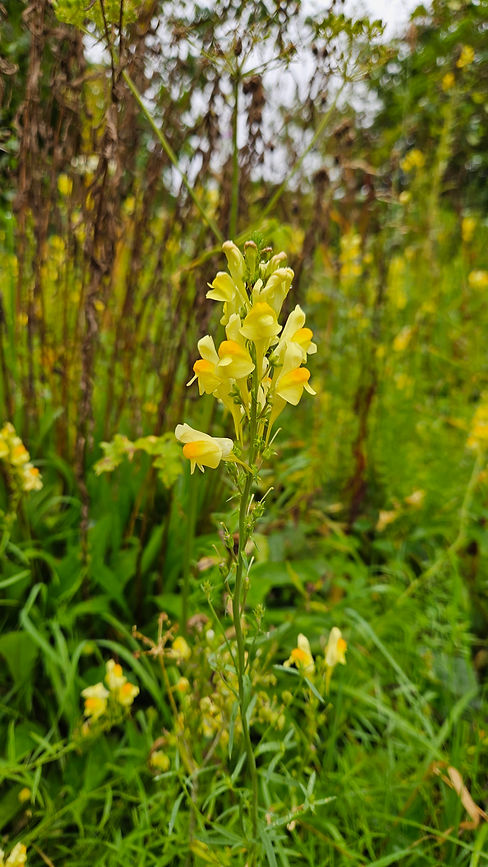
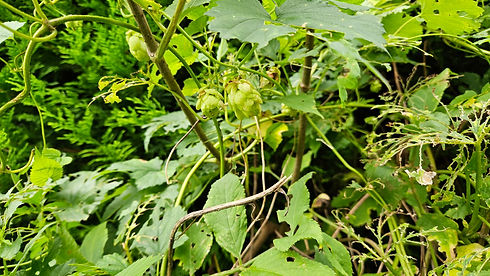
“…we saw that many Indigenous people were developing diabetes”, recalls O'Dea. To find out why, she led a series of studies in remote locations to study eating and lifestyle behaviours among Indigenous Australians. One study involved getting a group of largely diabetic or pre-diabetic Indigenous Australians to adopt a so-called hunter-gatherer lifestyle. “Three foods were contributing 80% or more of the diet: kangaroo, freshwater fish, and yams”, O'Dea explains. The study participants had much improved blood glucose control, including reversal of diabetes in some individuals.
“The combination of calorie restriction—inadvertent, but part and parcel of being a hunter-gatherer—causing weight loss, plus the healthier diet and increased physical activity all contributed to their improved metabolic profiles. In western populations today, we don't have to do the physical activity and yet we still get the ‘reward’ of a diet rich in fat, salt, and sugar”.
So, what happens to our bodies when we eat wild food? Well, that is where the really interesting things happen!
Join us on a foraging walk and talk to learn more about the Gut Microbiome, The Wild Biome Project, and diets that don’t include UPF (Ultra Processed Food).
